
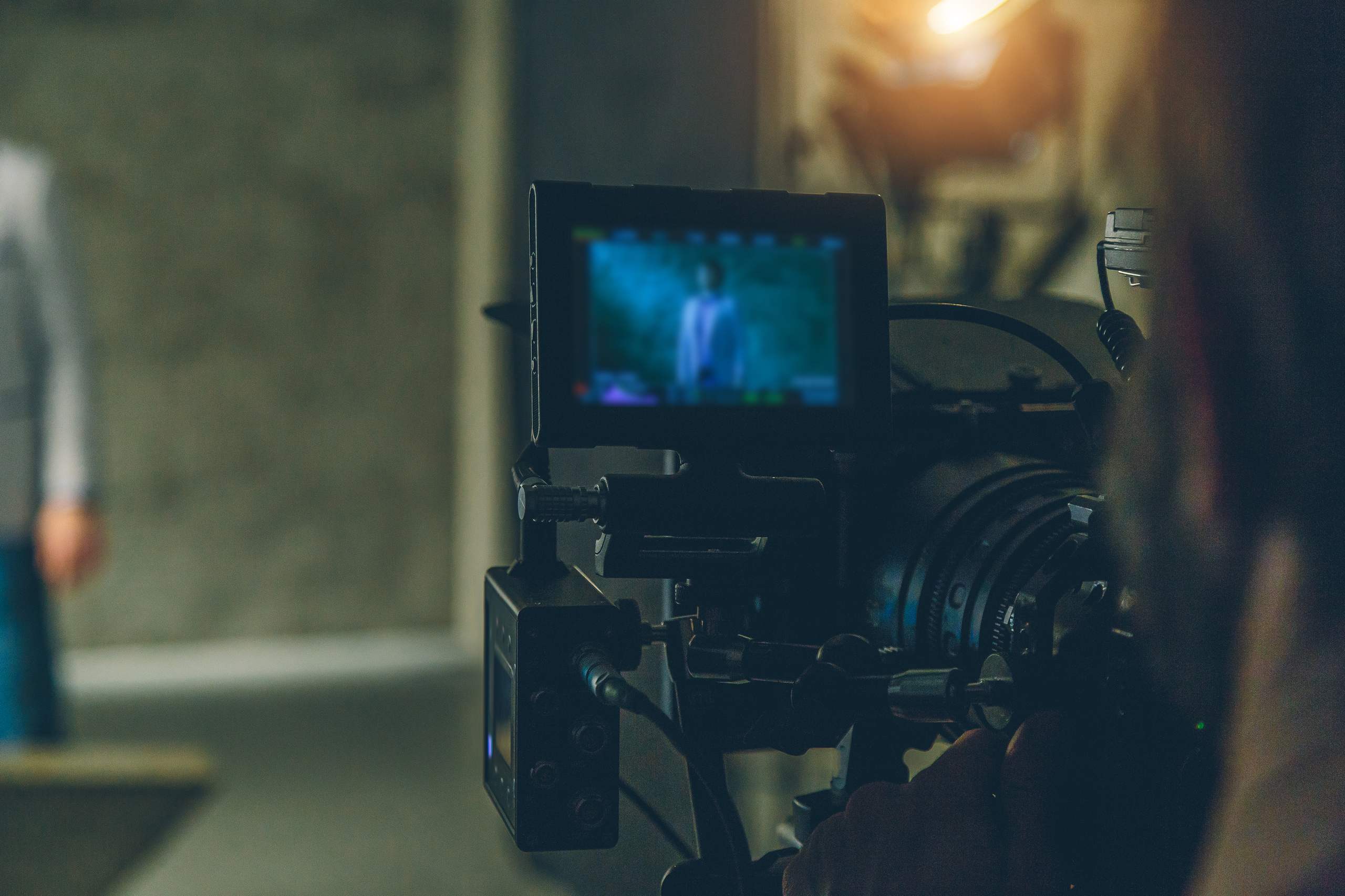
Lighting is a pivotal component of video creation that many new filmmakers fail to grasp, despite seasoned creators regarding it as paramount. Even with an expensive camera, a great location and good editing skills, without good light you will end up with a flat and dull video. Conversely, with good light, you can transform an ordinary location into a cinematic production.
There are a few basic principles of lighting which every filmmaker needs to know and master first. The first is that lighting is not about brightness, it is about where light comes from, and how it creates contrast in a scene. Front lighting tends to flatten details and reduce depth, while side lighting creates texture and dimension. Backlighting can help separate your subject from background.
The most basic form of lighting is also one of the most common and easiest to find and use: natural light from the sun. Window light is also another way of lighting that is free and easy. In terms of outdoor light, there are a few important aspects we need to focus on such as where light comes from and which part of the day we choose for filming. The main difference is in the color of light, which varies depending on when you start shooting. Instead of fighting the light, it is always better to try to master how to use it: change your position, adjust your framing, reposition your subject a few steps.
Artificial light gives more control but also requires more understanding. The mistake most beginner filmmakers make is to light the scene to create an image, not the mood or contrast. Using light to create depth and atmosphere is what differentiates professional video work from beginner video. Lighting is not just for visibility, it is for mood.
A key lighting principle is to avoid using even light in the whole image. It is almost impossible to get perfect lighting in every scene, but in most cases we prefer to avoid using evenly lit image. A cinematic image is the image where not everything is brightly lit. Shadows should not be feared at all, they add depth to the scene, they convey mystery, they set the frame of the image. Learn to work with contrast.
Another aspect of lighting which is very difficult for beginners is color. Warm colors give you a feeling of comfort, nostalgia, or intimacy. Cool colors feel more modern, distant, calm. Mixing warm and cool light sources is one of the most common lighting mistakes. Even slight changes to white balance can have a profound impact on the feel and story of the video.
FrameCapturePro teaches the basics of lighting as a creative language. Students are taught to learn how to observe the light, how to compose your subject and how to build atmosphere. The whole point is to learn not just about equipment, but how you can apply what you learn to your own creative lighting decisions. This makes the lesson more practical and applicable to the everyday lighting you encounter.
Lighting is the secret to making videos look good and not just like casual videos. Once you know how to work with light, any place can be a perfect place. All you have to know is how to use that light to enhance your videos. Once you understand how to use light, you can add mood, depth, and atmosphere to any video. It is like magic!