
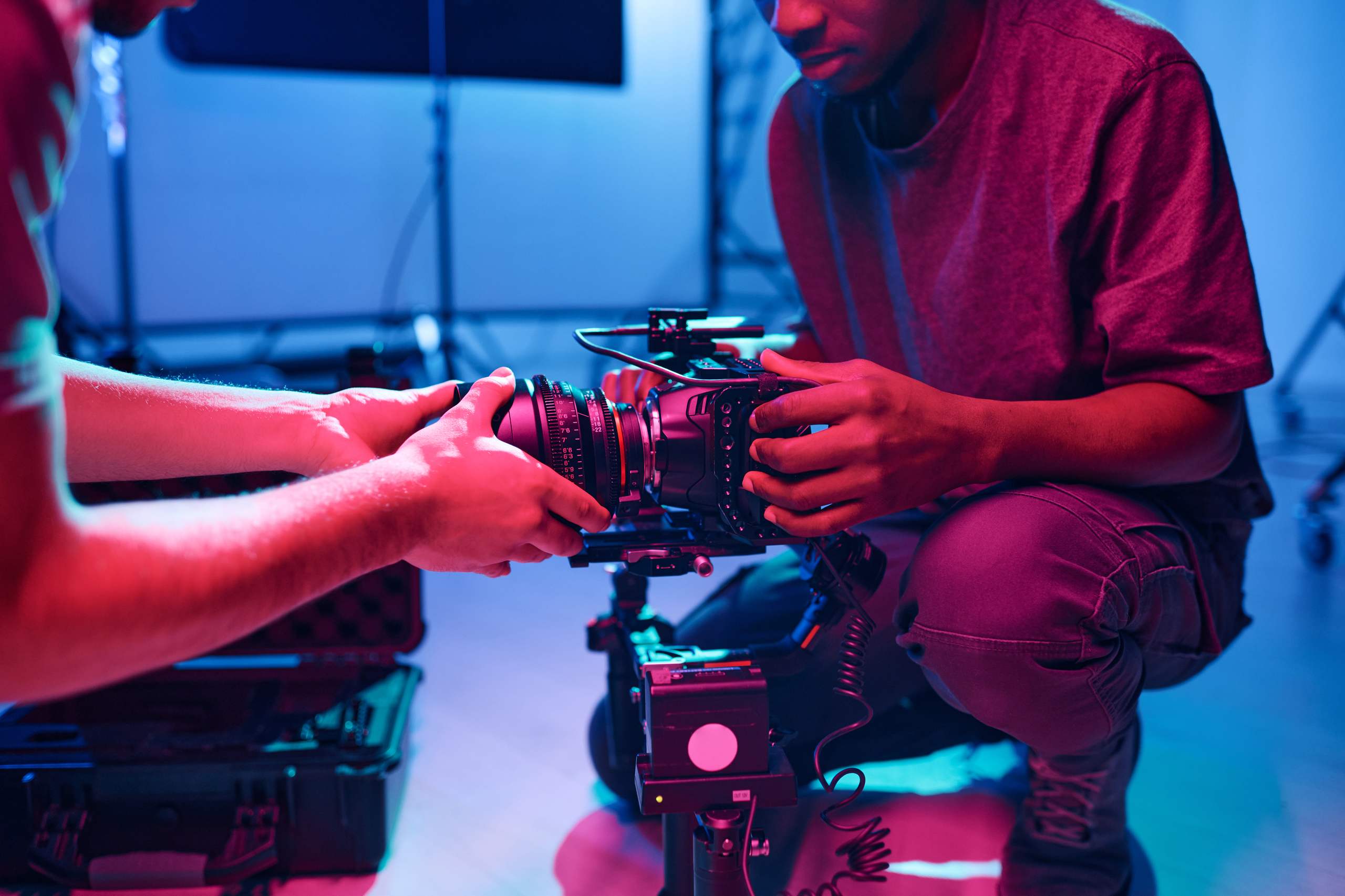
For those new to video, the camera’s movement is often one of the most impactful yet one of the most commonly misused elements. Most new video shooters think moving the camera more makes a clip “more dynamic” and will move the camera as much as possible. Good video shooting is about using intentional camera movements rather than just moving the camera as much as possible.
Often, a static shot is one of the most impactful shots you can make. A static shot can allow the audience time to appreciate the detail, emotion, and composition of a scene. A static shot can also offer a sense of stability or clarity. This is why static shots are often utilized for a dialogue or a scene that has an emotional impact, or even if there is nothing really happening, if the person in the frame can carry the entire emotional weight.
When you do introduce movement into a shot it affects how the audience processes the scene. Moving the camera forward slowly can give a sense of focus or emotional intensity; moving it backward can give the audience a sense of distance or reflection on the scene. Moving it sideways can also help give a better look into the scene by introducing new elements into the shot and directing the audience’s eye to different parts of the scene.
Using a hand held camera can also add an element of drama. A slight imperfection in movement can give it a sense of realism, rawness, or intimacy. However too much movement can be disorienting or distracting from the scene itself. It is not about having perfect movement, it is about maintaining balance. You want a shot that is moving in a way that feels human, but not so much so that it is chaotic.
Smooth camera movement using a gimbal or slider is another popular style, but you can get similar results with your own body. The key is not to overdo it. Moving the camera slowly, keeping your body stable, and having a plan of where you are moving the camera before you shoot are all key to using smooth camera movements to your advantage. The audience should be looking for a scene that is focused on a subject rather than the movement.
One thing to note, many times a camera’s movement in shooting is always motivated. The camera moves because of an element entering the scene or moving within the scene; it moves because the audience’s attention is supposed to be shifted to a certain part of the scene, or because of the changing emotional tone of a scene. Without a motivation, camera movements in shooting can feel random and forced. With that, you can make even basic camera movements look intentional and cinematic.
FrameCapturePro helps teach students that camera movement should not be just a technical element or trick of the trade, it is always a decision based on the needs of the scene, as opposed to just a movement of the camera itself. They focus as much on the “why” and “when” of movement in shooting as on the “how,” helping students build a more intuitive understanding of video as a means of communication and making the decision-making in video more confident.
Ultimately, it is not about showcasing how you can use camera movement, but rather how you can use it to enhance the emotion and storytelling of your piece. With it used well, the audience should be feeling things without even being conscious of how you got there. It is the key difference between being able to just record a scene or being able to create a story. When you are able to direct camera movement, your video is no longer just a recording, it is an experience.